BEST CUBAN FOOD IN TALLAHASSEE
The Best Cuban Food in Tallahassee: A Guide to Authentic Havana Cuisine
Tallahassee’s culinary scene has grown tremendously over the past two decades, but one cuisine stands out for its bold flavors, generous portions, and authentic preparation: Cuban food. Whether you’re a longtime fan of Cuban cuisine or discovering it for the first time, Tallahassee offers an exceptional opportunity to experience genuine Havana flavors without leaving Florida’s capital city.
For over 20 years, Habana’s Boardwalk has been serving authentic Cuban food to the Tallahassee community. Founded by Erick and Johanna Urra, natives of Havana, Cuba, this family-owned restaurant brings traditional recipes and cooking techniques directly from the island to Mahan Drive. But what makes Cuban food so special, and what should you try when exploring the best Cuban cuisine in Tallahassee?
In this guide, we’ll explore the signature dishes that define Cuban cooking, what makes them authentic, and where to find the best examples right here in Tallahassee.
** What Makes Cuban Food Unique?**
Cuban cuisine represents a fascinating blend of Spanish, African, and Caribbean influences, creating a distinctive flavor profile that sets it apart from other Latin American foods. The foundation of Cuban cooking relies on a few key elements:
**Traditional Cuban Spices and Techniques**
Authentic Cuban food uses a specific combination of seasonings that create its characteristic taste. Garlic, cumin, oregano, and bay leaves form the base of most dishes, combined with sofrito—a sautéed mixture of onions, peppers, and tomatoes that serves as the foundation for countless Cuban recipes.
Unlike Mexican cuisine, Cuban food isn’t spicy hot. Instead, it focuses on savory, aromatic flavors that develop through slow cooking and proper seasoning. The emphasis is on letting high-quality ingredients speak for themselves, enhanced by traditional spice combinations passed down through generations.
**Fresh, Simple Ingredients Prepared with Care**
The best Cuban food in Tallahassee, like what you’ll find at Habana’s Boardwalk, prioritizes fresh ingredients prepared using time-honored methods. This means:
• Pork roasted low and slow until it falls apart
• Black beans cooked from scratch daily—never from a can
• Steaks hand-cut and properly seasoned
• Rice prepared with the perfect texture and flavor
• Plantains selected at the ideal ripeness
This commitment to quality and authenticity is what separates exceptional Cuban food from mediocre imitations.
**Must-Try Cuban Dishes in Tallahassee**
When exploring Cuban cuisine, certain dishes represent the heart and soul of this culinary tradition. Here are the essential items you should experience:
**Ropa Vieja: Cuba’s National Dish**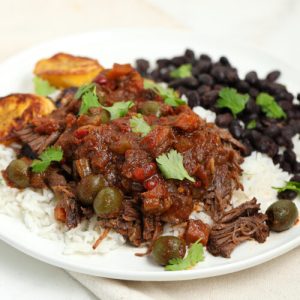
Ropa Vieja, which translates to “old clothes,” earned its name from the shredded appearance of the beef. This iconic Cuban dish features flank steak slowly braised in a rich tomato-based sauce with peppers, onions, and traditional Cuban seasonings until it becomes so tender it literally falls apart.
At Habana’s Boardwalk, Ropa Vieja is prepared using the authentic Havana recipe, with beef that’s marinated and slow-cooked for hours to achieve maximum flavor and tenderness. Served with white rice, black beans, and sweet plantains, this dish offers a perfect introduction to Cuban cuisine.
**The Cuban Sandwich (Cubano): An Icon**
While variations exist, the authentic Cuban sandwich follows a specific formula: roasted pork, ham, Swiss cheese, pickles, and mustard on Cuban bread, pressed until hot and crispy. The magic lies in the balance of flavors and the quality of each ingredient.
The best Cuban sandwiches in Tallahassee use fresh-baked Cuban bread—a slightly sweet, light bread that’s essential to the sandwich’s character. When pressed properly, the cheese melts perfectly, the meat warms through, and the bread develops a crispy exterior while remaining soft inside.
**Vaca Frita: Crispy Cuban Perfection**
Vaca Frita means “fried cow,” and this dish delivers exactly what the name promises—incredibly crispy shredded beef. The preparation involves boiling flank steak until tender, shredding it, marinating it in lime juice and garlic, then pan-frying it until crispy.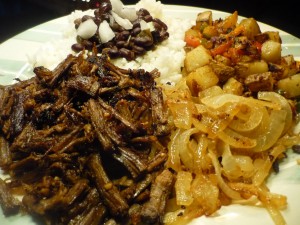
This dish represents Cuban cooking at its finest: simple ingredients transformed through proper technique into something extraordinary. The contrast between the crispy exterior and tender interior, combined with the citrus-garlic marinade, makes Vaca Frita a customer favorite.
**Lechon Asado: Traditional Roast Pork**
Slow-roasted pork seasoned with mojo—a garlic and citrus marinade—is a cornerstone of Cuban cuisine. Traditional lechon involves roasting a whole pig, but restaurants adapt this by using pork shoulder roasted until it’s fall-apart tender.
The mojo marinade, made with sour orange juice (or a combination of orange and lime), garlic, and cumin, penetrates the meat during the long roasting process, creating incredibly flavorful, juicy pork. This dish appears in various forms throughout Cuban cuisine—as an entree, in sandwiches, or even as a simple meal with rice and beans.
**Picadillo: Cuban Comfort Food**
Picadillo is Cuban comfort food at its most basic and satisfying. This seasoned ground beef dish includes olives, raisins, peppers, onions, and tomato sauce, creating a sweet and savory combination that’s distinctly Cuban.
While picadillo might seem simple, achieving the right balance of flavors requires experience and understanding of Cuban cooking. The sweetness from raisins, the brininess from olives, and the savory beef must harmonize perfectly. Served over white rice or used as a filling for empanadas, picadillo is a versatile dish that showcases Cuban home cooking.
**Masitas de Puerco: Fried Pork Chunks**
These marinated pork chunks are fried until crispy on the outside while remaining juicy inside. The pork is first marinated in mojo, then fried and served with additional lime juice and raw onions.
The preparation requires careful attention to achieve the perfect texture—crispy exterior without drying out the meat. When done correctly, masitas deliver an explosion of citrus-garlic flavor with each bite.
**Essential Cuban Sides and Accompaniments**
Cuban entrees rarely stand alone. Traditional accompaniments complete the meal:
**Arroz y Frijoles Negros (Rice and Black Beans)**
No Cuban meal is complete without rice and black beans. While this might sound simple, properly prepared Cuban black beans are an art form. Cooked low and slow with sofrito, cumin, oregano, and bay leaves, the beans develop a rich, complex flavor.
The rice, whether white or yellow (arroz amarillo), should be fluffy with perfectly separated grains. Some prefer “Moros y Cristianos” (Moors and Christians)—rice and black beans cooked together—which creates a different but equally delicious experience.
**Maduros: Sweet Plantains**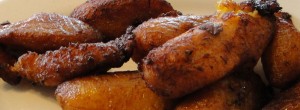
Ripe plantains sliced and fried until caramelized on the outside and creamy inside are a Cuban staple. The natural sugars in ripe plantains caramelize during frying, creating a sweet contrast to savory dishes.
Properly prepared maduros should have a deep golden color, slightly crispy edges, and a soft, almost custard-like interior. They’re not just a side dish—they’re an essential part of the Cuban dining experience.
**Tostones: Fried Green Plantains**
Made from green (unripe) plantains, tostones are twice-fried plantain slices that serve as a crispy, savory accompaniment. The plantains are fried once, smashed flat, then fried again until crispy.
Tostones provide a crunchy, starchy element to meals and are perfect for dipping in mojo or garlic sauce.
**Yuca con Mojo: Cassava in Garlic Sauce**
Yuca (cassava root) is boiled until tender, then topped with a garlicky citrus sauce. This starchy side dish is a staple of Cuban cuisine and provides a perfect vehicle for the flavorful mojo sauce.
**Cuban Desserts: The Sweet Ending**
Cuban meals often conclude with traditional desserts that showcase the island’s sweet tooth:
**Flan: Cuban Caramel Custard**

Cuban flan is silky smooth with a rich caramel sauce. The custard is denser and more flavorful than many other versions, often enhanced with cream cheese for extra richness.
A properly made flan should wobble slightly when shaken but maintain its shape when unmolded. The caramel should be neither too sweet nor bitter, creating perfect balance with the creamy custard.
**Tres Leches: Three Milk Cake**
This cake is soaked in a mixture of three milks—evaporated milk, condensed milk, and heavy cream—creating an incredibly moist, sweet dessert. Topped with whipped cream or meringue, tres leches is decadent without being overwhelming.
The best tres leches achieves a delicate balance: thoroughly soaked but not soggy, sweet but not cloying, rich but surprisingly light.
**Churros con Helado**
Cuban churros filled with dulce de leche and served with ice cream provide the perfect ending to a Cuban meal. The contrast between hot, crispy churros and cold ice cream, combined with the sweet caramel filling, creates an irresistible dessert.
**What to Look for in Authentic Cuban Food**
Not all Cuban restaurants are created equal. Here’s what distinguishes authentic Cuban cuisine from mediocre imitations:
**Family Recipes and Traditional Preparation**
The best Cuban food comes from restaurants run by people with direct connections to Cuba. Family recipes passed down through generations, combined with proper cooking techniques, make all the difference.
At Habana’s Boardwalk, owners Erick and Johanna Urra bring recipes and cooking methods directly from Havana. This authenticity shows in every dish—from the way the beans are seasoned to the marinade used for the pork.
**Fresh, Never Frozen Ingredients**
Authentic Cuban restaurants prepare ingredients fresh daily. Black beans should be cooked from scratch, not opened from a can. Pork should be roasted in-house. Plantains should be fried to order.
This commitment to freshness requires more work but results in dramatically better flavor and texture.
**Proper Seasoning Without Overwhelming Spice**
Cuban food should be flavorful without being spicy hot. The seasoning should enhance the natural flavors of the ingredients rather than mask them. Garlic, cumin, and oregano should be present but balanced.
If a Cuban restaurant’s food is bland or, conversely, overwhelming with heat, it’s not properly representing Cuban cuisine.
**Attention to Traditional Sides**
The quality of rice, beans, and plantains tells you a lot about a restaurant. These staples might seem simple, but they require skill and attention to detail to prepare correctly.
Perfectly cooked rice, flavorful beans, and properly fried plantains indicate a restaurant that cares about authenticity and quality throughout the entire meal.
** The Cuban Food Experience in Tallahassee**
Tallahassee’s location in North Florida might seem far from Cuba, but the city’s growing appreciation for authentic international cuisine has created a welcoming environment for Cuban food.
**A Taste of Havana on Mahan Drive**
For Tallahassee residents and visitors seeking authentic Cuban cuisine, Habana’s Boardwalk on Mahan Drive offers the real deal. The restaurant’s commitment to traditional recipes, fresh ingredients, and proper cooking techniques has made it a destination for Cuban food lovers throughout the region.
The atmosphere at Habana’s Boardwalk reflects Cuban hospitality—warm, welcoming, and focused on making guests feel like family. Whether you’re joining friends for lunch, celebrating a special occasion, or introducing someone to Cuban food for the first time, the experience goes beyond just a meal.
**Perfect for First-Timers and Cuban Food Veterans**
If you’re new to Cuban cuisine, don’t be intimidated. The menu at Habana’s Boardwalk includes familiar items like sandwiches alongside traditional Cuban dishes. The staff is happy to explain dishes and make recommendations based on your preferences.
For those already familiar with Cuban food, finding authentic preparation makes all the difference. Having dishes prepared the way they would be in Havana, using traditional recipes and techniques, provides a dining experience that honors Cuban culinary traditions.
**Planning Your Cuban Food Experience**
**What to Order for Your First Visit**
If you’re trying Cuban food for the first time, consider these combinations:
**For the Adventurous:**
Start with papa rellena (stuffed potato balls) as an appetizer, then try Ropa Vieja as your main course. Complete the experience with flan for dessert.
**For the Cautious:**
Begin with a Cuban sandwich—it’s familiar territory with a Cuban twist. Add sweet plantains on the side. Try tres leches if you want dessert.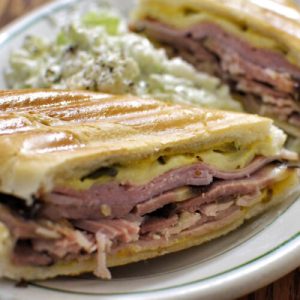
**For Groups:**
Order several dishes to share. Try Vaca Frita, Lechon, and Picadillo, along with various sides. This allows everyone to sample different flavors and find their favorites.
**Lunch vs. Dinner**
Habana’s Boardwalk offers lunch specials Monday through Friday, providing excellent value on traditional Cuban dishes. The generous portions typical of Cuban cuisine make lunch an especially good value.
Dinner provides a more relaxed atmosphere perfect for lingering over your meal, especially on Friday and Saturday evenings when the restaurant stays open until 9:30 PM.
**Catering and Special Events**
For those planning events in Tallahassee, Cuban food provides a unique and memorable catering option. From corporate gatherings to weddings, authentic Cuban cuisine offers something different from the usual catering fare.
Habana’s Boardwalk provides full-service catering, bringing the flavors of Havana to your event with the same attention to quality and authenticity as their restaurant service.
**Beyond the Restaurant: The Cultural Experience**
Cuban food represents more than just sustenance—it embodies Cuban culture, history, and values. Understanding this context enhances the dining experience.
**The Cuban Emphasis on Hospitality**
In Cuban culture, sharing food represents an act of love and hospitality. Meals are meant to be enjoyed together, with generous portions ensuring no one leaves hungry. This cultural value translates to the restaurant experience, where guests are treated like family rather than just customers.
**Food as Cultural Preservation**
For Cuban immigrants like Erick and Johanna, operating an authentic Cuban restaurant serves a dual purpose: sharing their culture with their adopted community while preserving culinary traditions for future generations.
Every plate of Ropa Vieja or Cuban sandwich represents a connection to Cuba’s rich culinary heritage, keeping traditions alive even far from the island.
**Community Gathering Space**
Cuban restaurants often become gathering spaces for Cuban expatriates seeking a taste of home and for others wanting to experience Cuban culture. At Habana’s Boardwalk, you’ll find families celebrating special occasions, FSU students discovering new flavors, and longtime customers who’ve been coming for years.
This diverse clientele reflects the universal appeal of good food prepared with care and authenticity.
**Frequently Asked Questions About Cuban Food**
**Is Cuban food spicy?**
No, Cuban food is not spicy in the way many people associate with Latin American cuisine. It’s flavorful and well-seasoned but doesn’t rely on hot peppers or chile heat. The focus is on garlic, cumin, oregano, and citrus rather than capsaicin.
**What’s the difference between Cuban and Mexican food?**
While both fall under the “Latin American” umbrella, Cuban and Mexican cuisines are quite different. Cuban food has more Spanish and African influences, uses different seasonings (more garlic and citrus, less chili), and features different staple ingredients (plantains and yuca versus corn and tortillas).
**Are there vegetarian options in Cuban cuisine?**
While Cuban cuisine is traditionally meat-heavy, vegetarian options exist. Black beans and rice, sweet plantains, yuca, tostones, salads, and certain empanadas can be vegetarian. Many dishes can be adapted or are naturally plant-based.
**What should I drink with Cuban food?**
Traditional options include Cuban coffee (strong and sweet), Materva (a Cuban soda), or fresh-squeezed tropical juices. For alcoholic options, mojitos and Cuba Libres are classic Cuban cocktails.
**How big are the portions?**
Cuban restaurants are known for generous portions. Cuban culture emphasizes hospitality and ensuring guests are well-fed, so portions are typically large. Come hungry or plan to take leftovers home.
**Experience the Best Cuban Food in Tallahassee**
Finding authentic Cuban food doesn’t require a trip to Miami or Cuba. Right here in Tallahassee, Habana’s Boardwalk serves traditional Havana cuisine prepared the way it should be—with family recipes, fresh ingredients, and genuine Cuban hospitality.
Whether you’re a longtime fan of Cuban food or trying it for the first time, the combination of bold flavors, generous portions, and warm atmosphere creates a memorable dining experience. From the classic Cuban sandwich to traditional Ropa Vieja, each dish represents a culinary tradition refined over generations.
**Visit Habana’s Boardwalk Today**
Ready to experience the best Cuban food in Tallahassee?
📍 **Location:** 2819 Mahan Drive, Suite 126, Tallahassee, FL 32308
📞 **Phone:** (850) 391-9111
🕐 **Hours:**
Monday-Thursday: 11:00 AM – 9:00 PM
Friday-Saturday: 11:00 AM – 9:30 PM
Sunday: Closed
🌐 **Website:** www.habanasboardwalk.com
🍽️ **Order Online:** http://habanasboardwalk.hrpos.heartland.us/
📅 **Reservations:** Call (850) 391-9111
Whether you’re stopping by for a quick lunch, planning a family dinner, or organizing a catered event, Habana’s Boardwalk brings authentic Cuban cuisine to Tallahassee. Experience the flavors of Havana without leaving Florida’s capital city.